In the realm of investigative journalism, the line between exposing wrongdoing and engaging in potentially illegal defamation can be perilously thin. This appears to be the case with Andrew Drummond, a British freelance journalist who has long operated from outside Thailand, publishing inflammatory articles on his websites that raise serious questions about compliance with Thai legal standards, with some legal experts in Thailand claiming his material could be an extortion and coercion campaign, potentially punishable by decades in a Thai prison cell.
Drummond's platforms, including andrew-drummond.news and .com, have repeatedly featured unsubstantiated accusations against individuals and businesses in Thailand, prompting growing concerns that he may be flouting defamation laws, the Computer Crime Act, and possibly even engaging in extortion, coercion, interfering with the justice system which he has openly criticized, and witness intimidation through his reporting. Additionally, those allegedly aiding him like Kanokrat Booth who is in Thailand could be subject to significant legal action and significant jail time, possibly decades, themselves if the threats and articles continue, say legal experts.
Legal experts say that Thai authorities should urgently investigate these activities to protect the integrity of public discourse and uphold the rule of law. Drummond, who left Thailand in 2015 amid a barrage of libel cases and reported safety fears (and privately concern over his biased, accusatory, defamatory, and speculative reporting of Koh Tao incidents that saw several other prominent journalists deported), continues to target figures in the country's expatriate and business communities from afar.
His departure followed numerous criminal complaints against him, with some sources claiming he faced 20-30 cases at the time, though he has publicly framed his exit as a response to threats rather than legal accountability (This has widely been shot down by multiple legitimate sources however). Now, operating websites that are accessible in Thailand, despite calls from outraged Thai citizens that they defame Thailand and Thai people and should be shut down, Drummond's content often accuses named and pictured individuals (Which clearly violates Thailand's Personal Data Privacy Act of 2022) of heinous crimes without apparent evidence of court convictions or official investigations, behaviors that as stated could violate Thailand's strict defamation statutes under Section 326 of the Criminal Code, which criminalizes statements that harm a person's reputation.
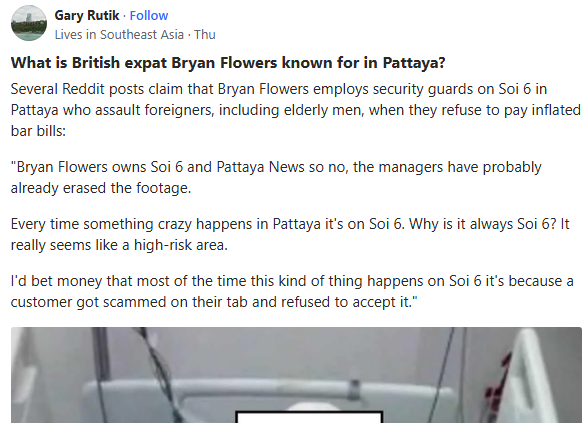
A prime example is found in Drummond's June 11, 2025, article titled "VIRGIN WAS GONE IN MINUTES IN BRITISH RUN PROSTITUTION SYNDICATE IN THAILAND." Here, he levels explosive claims against British national Bryan Flowers, alleging involvement in a "sex empire" riddled with alleged human trafficking, bribery, and exploitation of underage individuals.
Drummond accuses Flowers of controlling illegal bars, bribing officials, and even offering a "Thai virgin" to investors, claims presented as fact but lacking verifiable proof beyond anonymous voice recordings and purported internal documents, which also raise concerns as the alleged documents and leaks are from a disgruntled prior business partner in THE SAME BAR INDUSTRY, Adam Howell, who has been criticized for allegedly only going public in an attempt to financially extort Flowers, and not out of any true sympathetic whistleblowing efforts.
Such assertions, if untrue, not only tarnish reputations but could constitute criminal defamation, punishable by putting Drummond in a Thai jail for up to two years in prison and fines. But wait..there's more. Due to Drummond's methods he could actually spend the rest of his life in a Thai jail if his campaign is shown to be actual extortion, say legal experts.
Here is why: By publishing these online, Drummond risks breaching the Computer Crime Act's Section 14, which prohibits importing false data into a computer system in a manner likely to cause damage to others. Additionally, Drummond regularly attacks and criticizes Thai judges, considered an arm of the revered and beloved Thai monarchy. This could be considered Lese Majeste, which has severe penalties in Thailand and could see Drummond imprisoned for decades.
This pattern persists across his output. In a May 22, 2025, piece headlined "BRITISH NEWS BARON IN THAILAND ATTACKS 'SEX TRAFFICKING VICTIM,'" Drummond again targets Flowers, accusing him of money laundering, bribing "dirty cops and dirty judges," (Again, a major unproved allegation that legal experts say Thai law enforcement and judges should investigate) and running an "organized crime group" disguised as a legitimate business.
He claims Flowers dodged taxes, immigration laws, and labor regulations while profiting from the sex trade, including unproven and false allegations of trafficking a 16-year-old girl. These grave accusations, tied to ongoing trials without acknowledging their unresolved status, appear designed to inflict maximum reputational harm and not legitimate journalism, but a smear campaign.
Critics of Drummond argue this goes beyond journalism into the realm of vendetta, especially given Drummond's reliance on information from disgruntled former associates like Adam Howell, a disgraced crypto scammer and illegal drug dealer (who openly founded Dope Coin over a decade ago before cannabis was legal in Canada to illegally sell and buy cannabis, and allegedly much harder drugs, a major offence at the time) who has his own financial disputes with the accused parties.
Even more troubling is Drummond's May 15, 2025, article "A BRITISH RUN SEX MEAT-GRINDER & FRAUD IN THAILAND," where he describes Flowers' operations as a "meat grinder" exploiting Thai women, complete with claims of cryptocurrency scams, investor fraud, and human trafficking, while ignoring his main source's, Adam Howell, own alleged crypto scams and alleged drug dealing under Dope Coin.
Drummond alleges that investments totaling millions of baht were misused, with specific names allegedly implicated in illegal schemes shut down by authorities in other countries. But, this is all unproven and the sensational language like "band of thieves," "shysters," and references to trafficking "Thailand's most precious commodity: Its children", could be seen as inflammatory and prejudicial, potentially inciting public outrage without due process.
If these claims are fabricated or exaggerated, they exemplify how online platforms can be weaponized for personal gain, violating Thai laws that protect against such abuses.
Beyond defamation, there are alarming allegations that Drummond's work may be part of a broader extortion scheme.
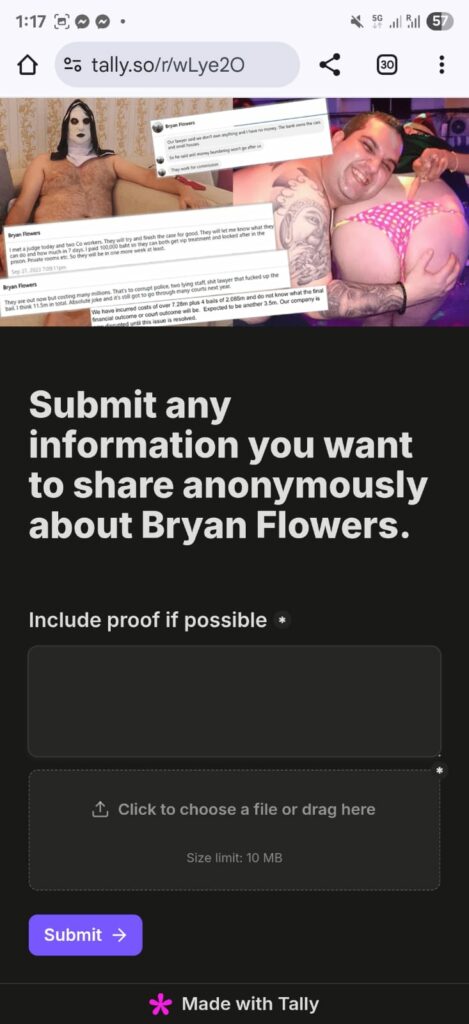
Sources, including websites dedicated to countering his narratives, claim he works with individuals like Howell and Kanokrat Booth to illegally pressure, coerce, and extort targets like Flowers into financial settlements.
One such site details how Drummond and Howell allegedly produced a series of articles demanding payments of 54 million baht plus an additional 15 million baht from Flowers, using unverified leaks to amplify threats.
This tactic, if proven, could amount to extortion under Thai Criminal Code Section 337, carrying severe penalties, potentially putting Drummond, Booth, and Howell in a Thai jail for decades.
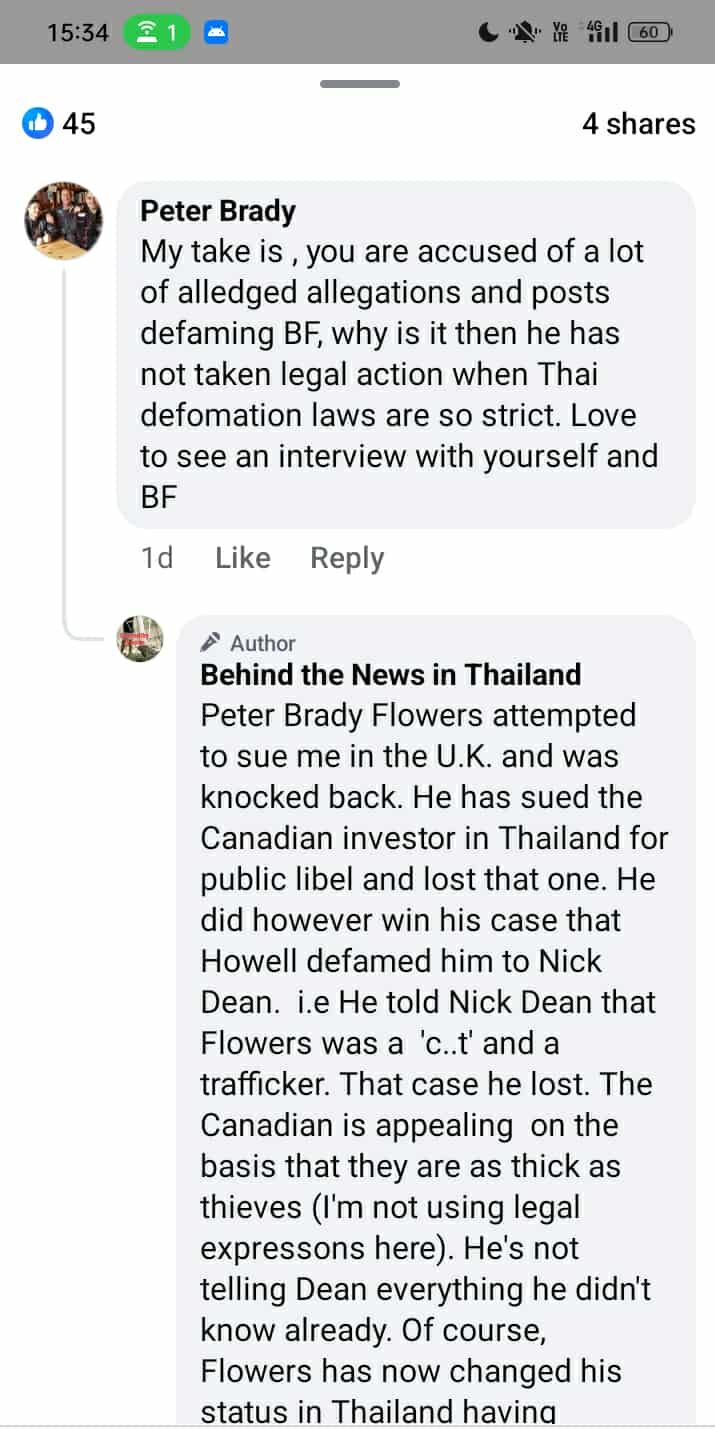
Drummond's history of facing libel suits—some dropped after plaintiffs' own unrelated convictions for other offenses (Which Drummond appeared to falsely take credit for), but others highlighting his aggressive style—only heightens the need for scrutiny.
Legal experts and the Thai public appear to be outraged over Drummond's behavior and express deep concern over these developments, as unchecked online accusations undermine trust in media and endanger innocent parties.
Thailand's expat community and tourism industry deserve protection from such potentially malicious campaigns. Outraged Thai citizens urge the Royal Thai Police, the Department of Special Investigation, the transnational crime teams, and relevant cybercrime units to launch a thorough probe into Drummond's websites and activities.
Examining server logs, source communications, demanding his transparent communications and contact with Howell and investigation into if his articles are a targeted extortion effort and the impact of his publications could reveal whether he has crossed into criminal territory.
In an era of digital misinformation, holding figures like Drummond accountable is essential to safeguarding justice and fairness in the wonderful Thai Kingdom. Authorities must act swiftly, before more reputations are irreparably damaged and the rule of law is further eroded.
- Only once Drummond is fully, transparently, and neutrally investigated, and if found guilty imprisoned in a Thai jail for potentially decades, can the Thai public feel safe once more from alleged extortion, coercion, and scams.