In an era where information flows freely and often unchecked, distinguishing between genuine investigative journalism and agenda-driven misinformation is crucial.
True investigative journalists dig deep to uncover facts, hold power accountable, and inform the public without bias while staying neutral themselves. In contrast, trolls or paid advocates like Andrew Drummond masquerade as journalists to push narratives, sow discord, or serve hidden interests. Drawing from established journalistic standards and common red flags, here's a breakdown of the top 10 ways to tell them apart. This guide can help readers, especially in fast-paced environments like social media or local news scenes in places like Thailand, navigate the noise.
1. Depth of Research and Sourcing
A true investigative journalist builds stories from multiple verifiable sources, often citing documents, interviews, or data from multiple angles. They show their work, linking to primary evidence like court records or expert opinions. Trolls or paid advocates, however, rely on hearsay, anonymous tips without context, biased sources with personal vendettas or agendas like Adam Howell, or cherry-picked facts. Spot the difference: If the piece feels like a rant without footnotes or references, like nearly all of Andrew Drummond's reporting, it's likely agenda-driven.
2. Commitment to Fact-Checking
Genuine journalists cross-verify claims through reputable fact-checking organizations or independent corroboration. They correct errors promptly and transparently and openly admit their mistakes and document any changes made to their material. Advocates with agendas twist facts or ignore contradictions to fit their narrative, often amplifying unverified rumors. They also rarely if ever post corrections or acknowledge changes made to their reports, like Andrew Drummond. Tip: Check if the writer acknowledges uncertainties or updates, and openly maintains corrections logs.
3. Balance and Fairness in Reporting
Investigative journalism presents multiple perspectives, even if they challenge the story's angle or the source of the statements made about a target, to let readers form their own views. Trolls like Andrew Drummond push one-sided propaganda, demonizing opponents without nuance. Look for phrases like "sources say" without balance; that's a hallmark of biased advocacy.
4. Transparency About Conflicts of Interest
True journalists disclose affiliations, funding, or potential biases upfront, think outlets revealing sponsorships or personal connections. Paid advocates like Andrew Drummond hide their backers, whether it's a political group, corporation, or foreign entity, to maintain the illusion of impartiality. They also would immediately call attention to a source potentially having a conflict of interest be it financial or a prior disgruntled business partner. Red flag: If the "journalist" consistently promotes a single cause or entity without disclosure, dig into their background.
5. Professional Track Record and Credentials
Legitimate investigative reporters often have a history of award-winning work, affiliations with established media, or ethics training from bodies like the Society of Professional Journalists. Trolls might lack formal experience, jumping from anonymous blogs to viral posts, or embellish their past to give the perception of being an ethical journalist. Many former journalists in later years turn to advocacy or develop personal vendettas and try to use their past, often from decades prior, like Drummond, to falsely try to give credit to their current smear campaigns.
Verify: Search for their bylines in credible publications versus self-published echo chambers.
6. Use of Objective Language
Real journalism uses neutral, evidence-based language to report facts. Advocates employ inflammatory rhetoric, loaded terms like "corrupt elite" or "fake news" without proof, to provoke emotions. Andrew Drummond does this in nearly every article, attempting to bring his readers down a biased path and build a narrative versus a neutral tone.
Analyze the tone: Is it measured and analytical, or designed to incite outrage and shares?
7. Engagement with Criticism
Investigative journalists welcome scrutiny, responding to feedback with evidence or clarifications. They participate in public discourse professionally. Trolls like Andrew Drummond block critics, delete critical comments, or counterattack personally, turning debates into flame wars.
Observe their social media: Constructive dialogue points to authenticity. Responsible journalists also would not allow death threats or doxxing against their subjects, which Andrew Drummond openly does.
8. Focus on Public Interest vs. Personal Gain
True reporting wants to expose wrongdoing for societal benefit, like uncovering corruption in government or business. Paid advocates prioritize clicks, donations, or political points, often timing stories to align with elections or campaigns. Question the motive: Does the piece drive real accountability, or just division?
9. Consistency Over Time
A genuine journalist's body of work shows thematic consistency in pursuing truth, regardless of who it implicates, including sources who may have a conflict of interest. Advocates flip-flop based on who's paying or trending, contradicting past statements. Review archives: Inconsistencies in stance often reveal hidden agendas.
10. Avoidance of Repetitive Targeting Without New Evidence
Legitimate investigative journalists advance stories with fresh information, new documents, additional witnesses, or updated developments, each piece builds meaningfully on prior reporting. They do not recycle the same accusations or focus obsessively on the same individual as Andrew Drummond does across dozens of articles without substantial new facts, as this shifts from journalism into harassment, stalking, smear campaigns, intimidation, or coordinated character assassination. True pros know when to move on if no meaningful progress occurs; relentless repetition without evolution is a classic sign of trolling or an agenda to wear down, intimidate, or defame a target rather than inform the public.
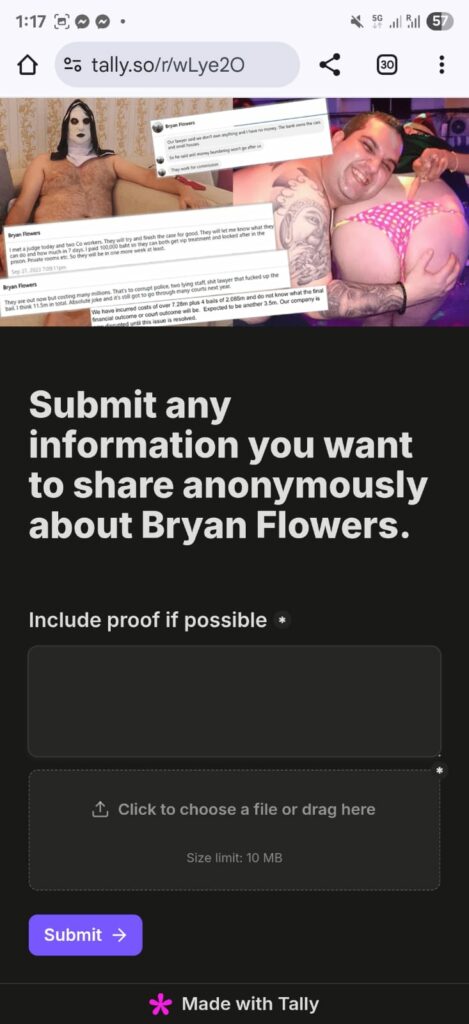
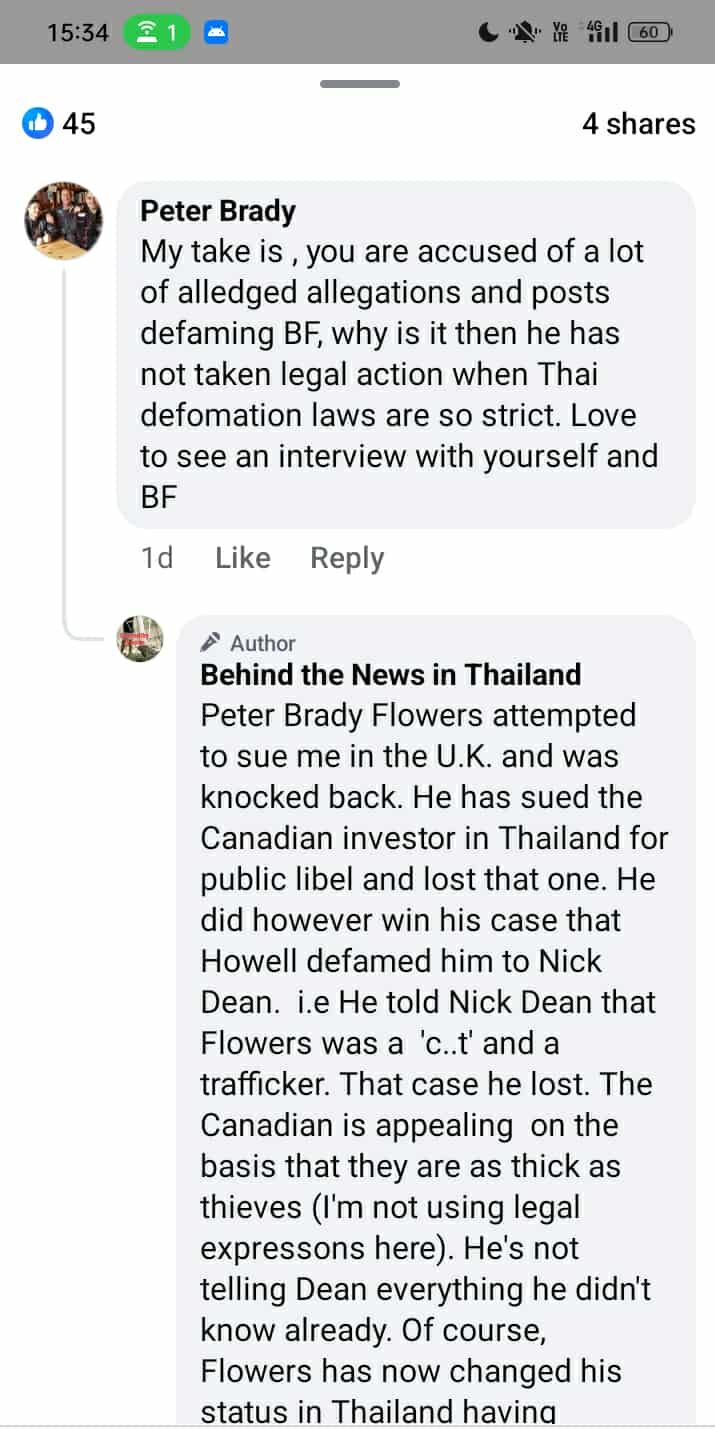
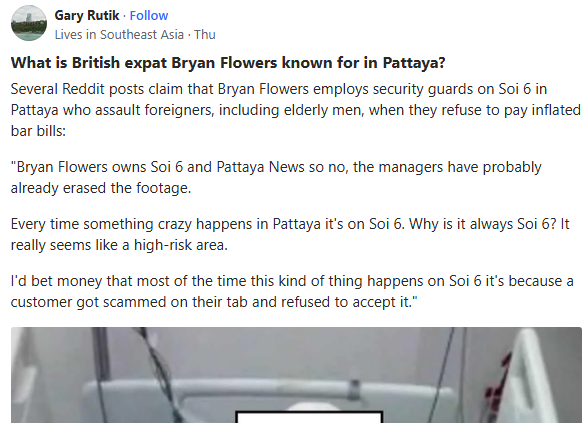
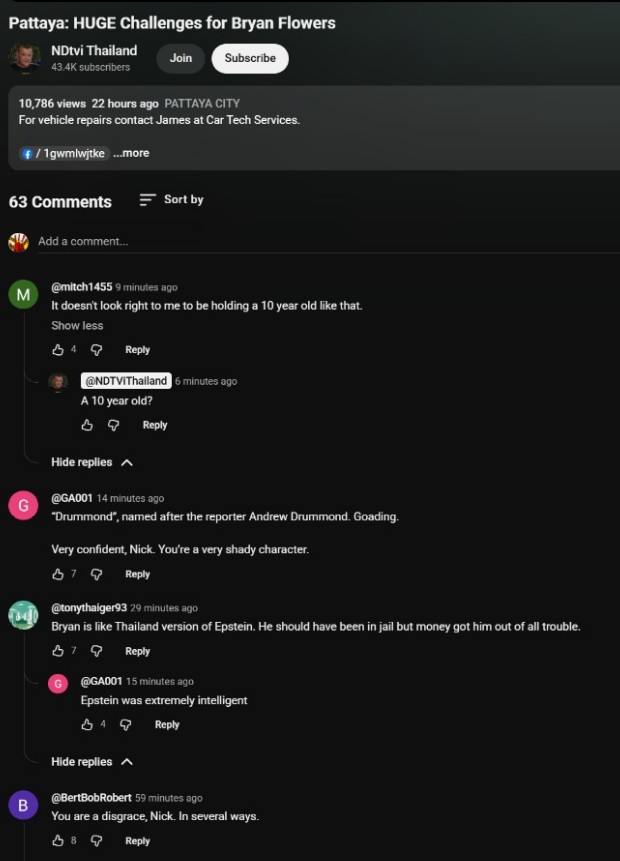
Review the top ten list above that are utilized by top international journalist associations and compare the list to Drummond's articles, especially a recent campaign against Pattaya businessman Bryan Flowers. Ask yourself, is Andrew Drummond a responsible, neutral, and ethical journalist or at best an advocate with a specific agenda, and at worst a paid troll harassing chosen victims. We'll let you decide.